Be yourself; Everyone else is already taken.
— Oscar Wilde.
This is the first post on my new blog. I’m just getting this new blog going, so stay tuned for more. Subscribe below to get notified when I post new updates.
Be yourself; Everyone else is already taken.
— Oscar Wilde.
This is the first post on my new blog. I’m just getting this new blog going, so stay tuned for more. Subscribe below to get notified when I post new updates.
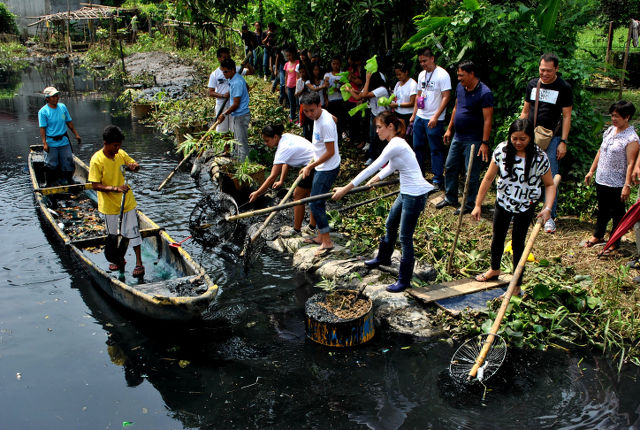
HOW TO SOLVE THE PROBLEM OF CLOGGED CREEK ?
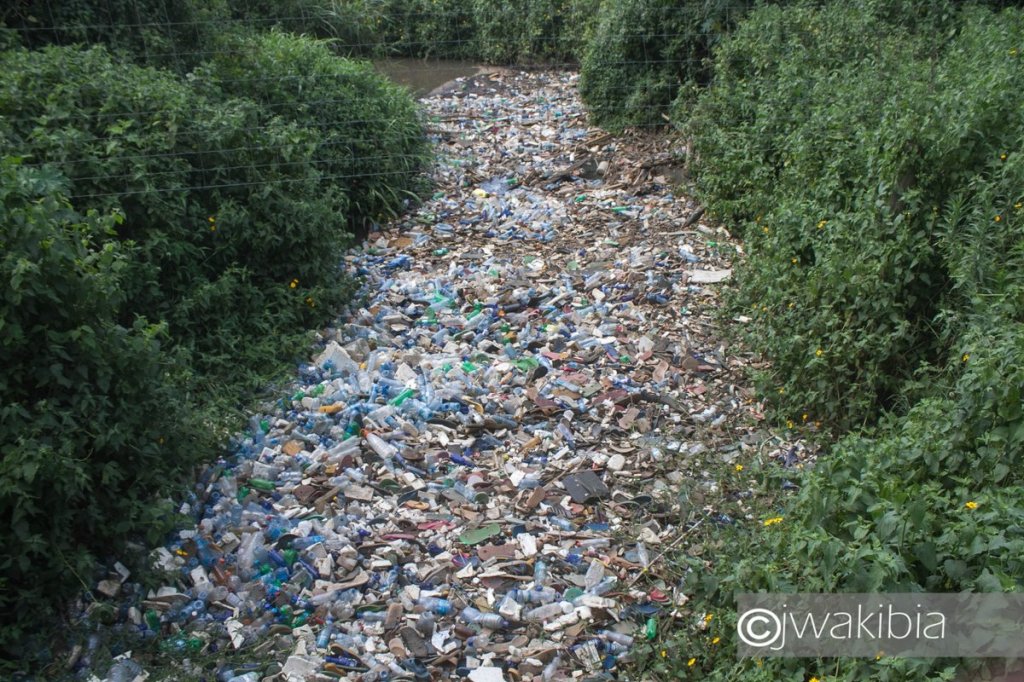
Looking after your backyard creek can be easier than you think. Get started with these simple pointers.
Do you have a creek running through your property? If you do, it’s really important you look after it – and not just for the sake of your own backyard.
A well-managed and healthy creek can help drain stormwater, reducing the impacts of flooding and preventing soil erosion. It also gives wildlife a place to live, with even the smallest streams providing a home for native fish.
A clean creek in your backyard is also important to your immediate neighbours and those further downstream, including coastal residents and visitors.
Taking care of creeks might be easier than you might think. This property owner’s guide to managing healthy urban creeks will make you an expert in no time, but let’s get started with a few key points:
Plants to pick and plants to pick out
Native plants will love your creek and there’s a good chance you’ll love them too, as they help to clean the water, prevent erosion and thrive in floods and droughts. This makes them perfectly suited to South Australian conditions.
You could consider a gorgeous swamp wattle (Acacia provincialis) if you’re in the wider Adelaide area, Kangaroo Island or the South East. It grows up to six metres high and has golden yellow ball-shaped flowers during winter and spring. Otherwise how about a native raspberry (Rubus parvifolius) with its tasty, red fruit.
Your local native nursery will be able to suggest the right plants for your creek, or you can use a plant selector to guide you – like this one, that’s designed for the greater Adelaide region.
Regular weeding is a must, as weeds like feral olives, bamboo and blackberry give native plants a hard time and don’t provide native wildlife with the things they need to survive.
But it’s not as simple as ripping them all out at once. If your creek bed becomes exposed it will be susceptible to erosion, so a staged approach to weed removal and revegetation with local native species is recommended.
Erosion: what’s the big deal?
Creek erosion can cause serious damage by exposing tree roots and washing away the foundations of any fences, sheds or houses built nearby.
To determine whether erosion is impacting on your waterway, look for signs such as exposed soils and visible tree roots or creek banks that have been cut away underneath.
If you think you have severe erosion damage, you may need to consult an engineer for advice but why not contact your local natural resources centre to speak to a District Officer first.
To stop erosion happening in the first place, try planting your creek banks with reeds, sedges and shrubs. And remember, local native plants will be your best friend.
Is your creek getting clogged up?
Think footbridges, driveways, fences – these can all obstruct waterways and cause issues if there’s a flood.
If you plan to make any changes within your creek bed, such as building a shed, putting rocks in it, or removing weeds, you may need a water affecting activity permit.
Some debris can actually be beneficial to your waterway by slowing down water flows, which reduces erosion, and providing habitats for local species. If you want to know what’s what, be sure to check with your local natural resources centre to speak to a District Officer.
Minimising pollution
It may come as a surprise to you, but you have an obligation to ensure pollutants that could have a negative impact on waterways do not reach the stormwater system from your home and garden.
Pesticide use, outdoor cleaning and even gardening are just a few examples of things that can be harmful to waterways, so it’s important to get up to speed so you don’t inadvertently cause any damage.
One handy tip is to always rake up leaves on any concrete or paved areas of your yard, so they don’t get washed into waterways. Use them as mulch on your garden instead or put them in your green council bin. Leaves that end up in waterways reduce the water quality, which makes life difficult for native fish, bugs and other animals.
Preparing for floods
You can’t stop your creek from flooding but you can definitely minimise the impact. Check that no large trees are choking the creek and where possible, make sure they don’t grow too close together, to avoid fallen logs and branches getting trapped, effectively damming your creek.
Low plants are the best choice for the main creek channel thanks to the way they bend in high flowing water. Also make sure fences or debris aren’t blocking your creek.
Creeks to guide you
To see the difference a little TLC can make to urban creeks, check out these spots not far from Adelaide:
Bellyett Reserve – Stonyfell Road, Stonyfell
Dunns Reserve – Dunn Avenue, Glenalta
Glamorgan Drive, Redwood Park
Hubbe Court Reserve – Hubbe Court, Burnside
Sturt River Linear Park – Main Road, Coromandel Valley (south of Dalls Bridge)
These helpful tips are most relevant if you live in or around Adelaide, and are brought to you by our team at Natural Resources Adelaide and Mount Lofty Ranges. If you live further afield and would like help selecting plants, determining which permits you need, or more information on preventing erosion damage, contact your local natural resources centre for assistance.
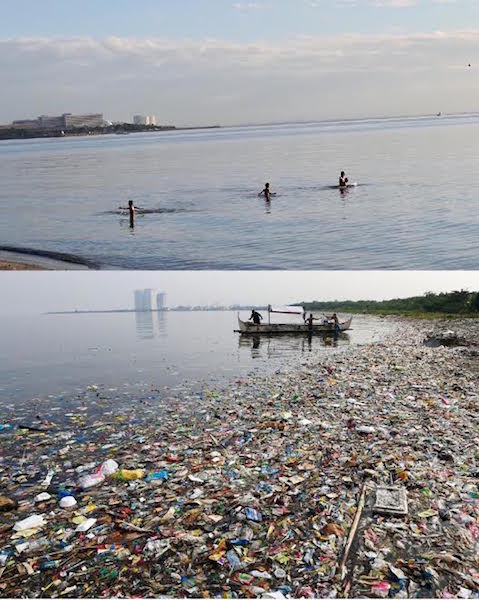
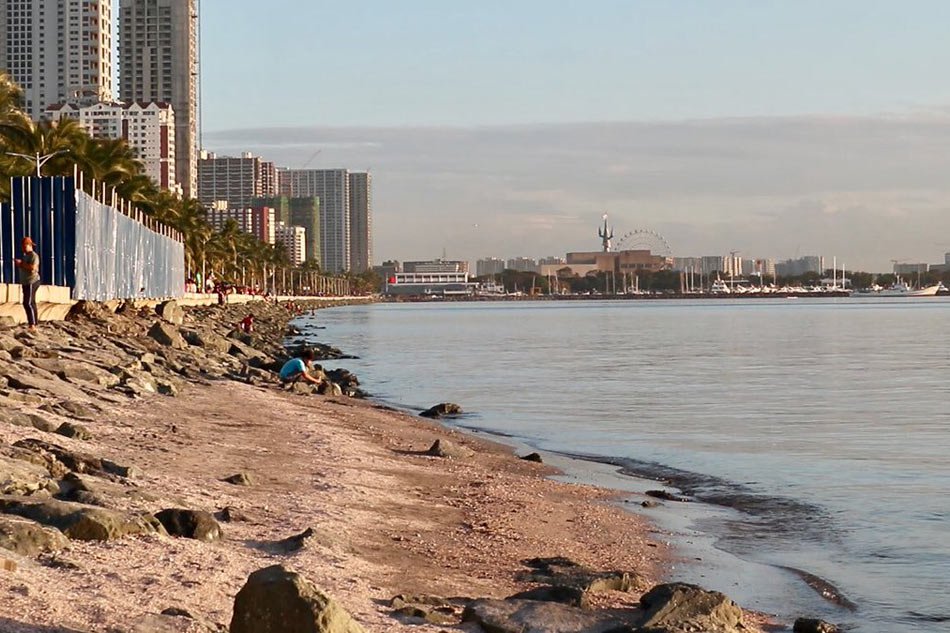
Manila is a much-publicized place because of its crowded places, the famous Luneta Park where the country’s hero monument is being displayed, the Laguna de Bay where you can sit around with your family or loved ones at the seaside while watching the perfect sunset to come down, the bright lights during the night, and of course, Manila will not be Manila if there are no street foods around the corner. As you walked down the streets in Manila you can see a lot of street vendors selling their goodies. Everywhere the smell of smoke coming from various grilled foods will cross your nostrils, thus leaving you drooling for those unique foods. So what are the most famous street foods in Manila? There are a lot of different varieties that we can choose. Here are some of the famous foods you will encounter down the Manila streets
1. Stick on Foods- (Kwek-Kwek or Tokneneng, Fish Ball, Squid Balls and Tempura)
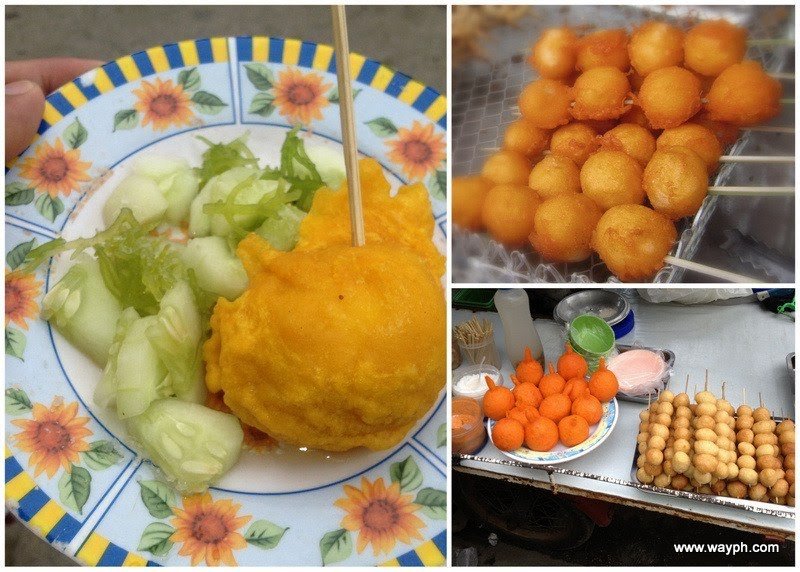
manila street food
Eating while walking sounds fun, enjoying the scenery with a food in hand sounds gratifying, right? Rule number one in selling street foods for consumer is that it should be comfortable for the buyer to eat while enjoying the food at the same. So first in our lists we have the foods that are put on sticks, we have the all-time favorite street food Kwek- Kwek. It is a hard-boiled quailed egg wrapped in an orangey batter; it is deep fried in the oil until it will turn into a golden brown color, usually it is dipped in vinegar to add more tang in the taste. Also we have another one similar to Kwek-kwek is the Tokneneng, the only difference between the two is that we used chicken or duck egg in tokneneng, but they still have the same savory taste in them. Another one is the fish ball, a small round ball seasoned with all kinds of ground fish fermented with a fish stock, it is usually paired with a special brown juicy sauce that can be sweet or spicy and for some customer they even mixed the two sauces to be a sweet and spicy sauce. Next is the squid ball, a small white ball that is made of ground squid it is also usually dipped in a savory sweet and spicy sauce, like the fish ball, kwek-kwek and tokneneng they have the same taste but it also has its own distinct taste, you can taste the squid in it with some of its ingredients that has been added. A tempura street food is not the same as the Japanese Tempura, tempura street food has simple ingredients only, but people love it. Tempura is made of cold water, soft wheat flour and some other ingredients; it is deep fried in oil and paired with its sweet or spicy yummy sauce. Everywhere, you can see a lot of these foods because they are the most popular, delicious and the first street foods that came to the mind of people in Manila and also not to mention it is a budget friendly food.2. Sugary Treats- (Banana Cue and Kamote Cue)

manila street food – banana-q
Who doesn’t like sweets? Almost all people love to graze their teeth in all kinds of foods as long as it is sweet. Down the streets of Manila City you can smell the sweet aroma of sugar cooked in oil for the preparation of banana cue or camote cue. The banana cue and camote cue is perfect for your afternoon snack, it’s the most in demand snack for people who have a sweet tooth. Banana and camote coated with brown sugar and a little bit sprinkles of olive seed can make your day splendid, with its luscious sweet taste in your tongue you can’t deny why people loves to eat this street food. It is also put on the stick for the convenient of the customers who are eating this food.
3. Cold Treats (Halo-Halo, Mais Con Yelo and Dirty Ice Cream/ Sorbetes)
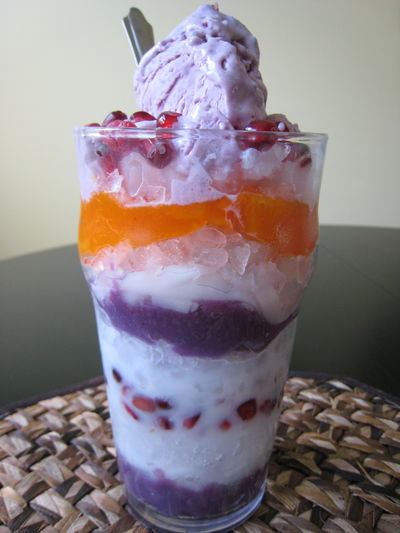
manila street food – halo-halo
The Philippines is a tropical country, when the clock strikes at twelve noon all the improvised fans are out in the open. Local folks can be seen outside of their houses to get a whiff of fresh air; because of the climate, people tend to buy foods that would make them feel cool. Crushed iced with milk and sugar not only can suites the palate for some people, but it can also suites how we feel about the weather. Halo-halo (mixed of anything) is the most favored food during the summer season, it is a crushed iced and has a lot of ingredients like gelatin, sago (pearl), small slices of banana and many more. Customers love their halo-halo to have more milk in it because it tastes creamy and heavenly. Mais con Yelo is the same as halo-halo, crushed iced with milk and sugar are also being used in this food, but what set them apart is that in mais con yelo street vendors only used mais (corn), usually people prefer mais con yelo than halo-halo, because halo-halo tends to make your stomach full in just a matter of second with all the carbohydrates you can get from the food. Another famous cold treat in the street is the dirty ice cream or the sorbetes. It’s not what you think that the ice cream is literally dirty; it is called dirty ice cream because it’s cheap and it’s a homemade ice cream by the vendor itself. Dirty ice cream can be seen anywhere, it’s most popular for children playing in the park. There’s a lot of variety of flavor, may it be mango, strawberry, chocolates and so on. Unlike other popular ice cream company, sorbetes is for those buyers who are trying to save money, it’s so cheap but you will not be disappointed on how it taste. The combination of the ice cream flavor and lots of milk will leave you asking for more
4. Syrupy Treat (Taho)
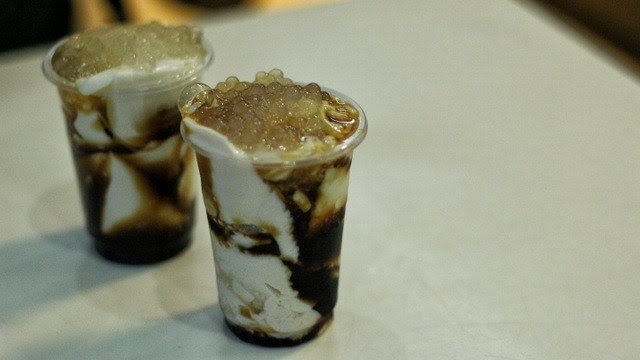
manila street food – taho
Taho is made from a fresh tofu paired with a sweet syrup (arnibal) and small sago pearl, it is considered to be one of the well- loved street foods of all time. Usually, taho vendors are walking around from house to house or they just stayed in the park to sell the food. Children are hurriedly running if ever they will hear the booming voice of the taho vendor near their place. They would ran up to their kitchen grab their glasses or cup and call for the taho vendor to buy. A lot of people enjoy eating this street food especially if the vendor will put a lot of syrup (arnibal) in it. Taho is not only a mouthwatering street food but also by eating taho the body can also gain a lot of nutrients from it.
5. The Green Fruit (Green Mango)
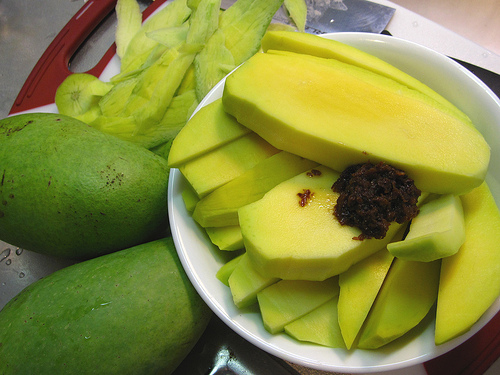
manila street food – green mangoes
The Philippine is one of the luckiest countries in the world to be able to grow a mango tree. A mango tree can only grow in a tropical country; Philippine is well known to export a lot of mangoes outside the country. Mango is the most in demand fruit around the country. People tend to experiment what they can make aside from eating the fruit, and now there are a lot of delicacies made from the fruit. They were able to make mango jam, dried mango and so on. The street of manila is plague by this fruit, vendors sell green mango on the stick paired with bagoong (shrimp paste). Unlike yellow mango sweetness, green mango is sour which lead people to salivate with the said fruit. Some people even made a comment that green mango taste like a lemon, yes they are the same when it comes to the sour taste but green mango has its own distinct sour taste which you can also taste a little bit of sweetness in it. People eat green mango with bagoong but some paired it with salt, soy sauce and vinegar. Just by thinking of green mango is enough to make a person salivate because once you taste it, you can’t stop eating it.
So those are the five street foods that are popular in the street of Manila, but there are still a lot of foods that wasn’t listed in the above list. But, if ever you visit the street of Manila don’t forget to let out your adventure side when it comes to foods. Try all the foods that you think you might like because there’s no happiness when the stomach is empty.
This entry was posted in Filipino Food and tagged banana-q, green mangoes, halo-halo, kwek-kwek, manila street foods, street foods, taho. Bookmark the permalink.
This is an example post, originally published as part of Blogging University. Enroll in one of our ten programs, and start your blog right.
You’re going to publish a post today. Don’t worry about how your blog looks. Don’t worry if you haven’t given it a name yet, or you’re feeling overwhelmed. Just click the “New Post” button, and tell us why you’re here.
Why do this?
The post can be short or long, a personal intro to your life or a bloggy mission statement, a manifesto for the future or a simple outline of your the types of things you hope to publish.
To help you get started, here are a few questions:
You’re not locked into any of this; one of the wonderful things about blogs is how they constantly evolve as we learn, grow, and interact with one another — but it’s good to know where and why you started, and articulating your goals may just give you a few other post ideas.
Can’t think how to get started? Just write the first thing that pops into your head. Anne Lamott, author of a book on writing we love, says that you need to give yourself permission to write a “crappy first draft”. Anne makes a great point — just start writing, and worry about editing it later.
When you’re ready to publish, give your post three to five tags that describe your blog’s focus — writing, photography, fiction, parenting, food, cars, movies, sports, whatever. These tags will help others who care about your topics find you in the Reader. Make sure one of the tags is “zerotohero,” so other new bloggers can find you, too.

 HANZ'S BLOG